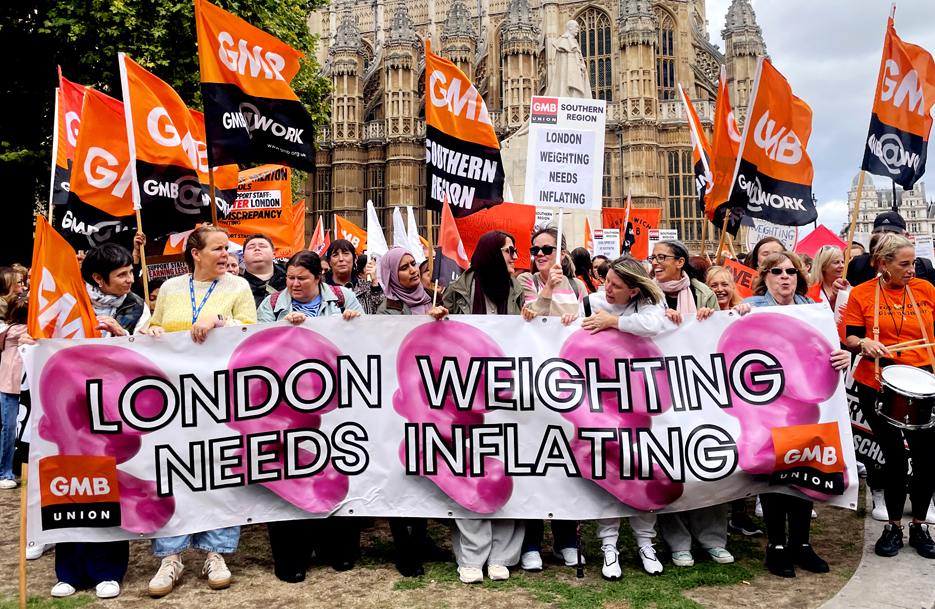
LONDON Collective for Palestine are demonstrating outside the BBC this morning, Tuesday 11th August, from 8am, at Portland Place, London W1A 1AA, to hold a vigil for all of the 322 Palestinian and 27 Lebanese journalists who have been murdered by Israel.
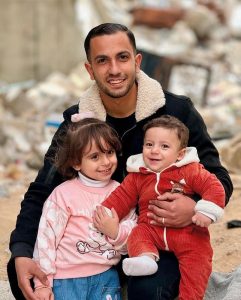
The collective stated yesterday: ‘Exactly one year ago today, on 10th August 2025, we heard the devastating news that journalist Anas Al Sharif had been assassinated by the Zionist state of Israel along with four other journalists, Mohammed Qreiqeh, Ibrahim Zaher, Mohammed Noufal, and Moamen Aliwa – and two other people including Al-Sharif’s nephew.
‘In our shock and rage, we called an emergency protest for the following morning outside the BBC, what then evolved was a rolling presence all day and into the evening with individuals and groups coming at different times throughout the day to pay their respects and to express their grief and rage at the BBC’s complicity in Israel’s war crimes.
‘We invite all comrades, friends and allies to come along with your flags, placcards and creativity at any point during the day to express your grief and anger and to call for the following demands:
‘1. Resume and sustain coverage of the news from Gaza and Palestine, to document Israel’s war crimes on the global stage.
‘2. Call for the protection of Palestinian and Lebanese journalists, who continue facing daily targeting by the occupation. Honour your own colleagues: publicly name and account for the Palestinian journalists killed in Gaza.
‘3. Use honest and consistent language to report truthfully about the reality of the conditions on the ground and Israel’s policy of mass displacement and killing of the Palestinian people.
‘4. Demand Israel lift the ban on independent foreign press access to Gaza.’
- The Islamic Revolution Guards Corps (IRGC) says the United States deployed its most advanced military tech, including AI, during the recent war against Iran, but ‘failed to overcome the country’s institutional resilience, ideological cohesion, unity and national resolve’.
Speaking at a ceremony yesterday to mark Journalists’ Day, Brigadier General Hossein Mohebi said the systems employed by Iran collected and processed data from satellites, drones, radars, sensors and field intelligence reports and used the information in the decision-making process.
‘Today’s war is not only a war of equipment and missiles; it is also a war of narratives, perceptions and technologies; and media professionals are on the front line of this battlefield,’ he said.
‘Because of its extensive influence on public opinion, the media can preserve moments in history.’
The IRGC spokesman said media organisations have a responsibility to document the different dimensions of the conflict for both the present and future generations.
‘Today, the media is not merely a narrator; it is also a creator of narratives and realities,’ Mohebi said. ‘The media produces perceptions, creates understanding and provides audiences with a new understanding of their surrounding environment.’