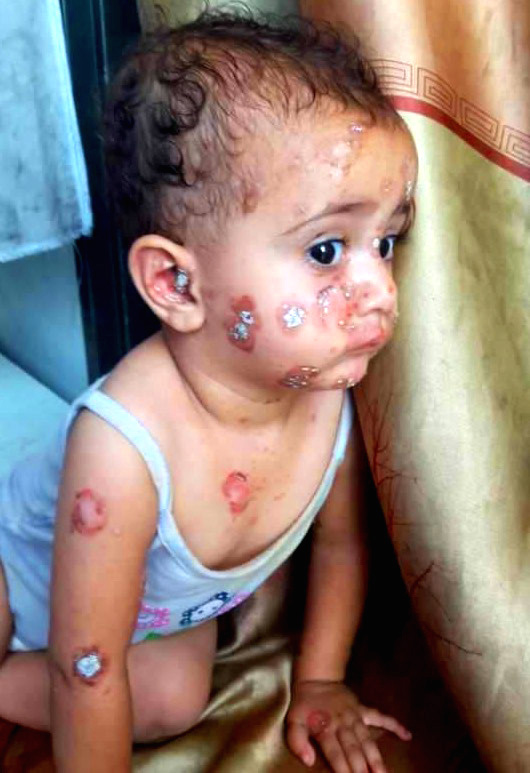
MORE than 125,000 cases of skin infections linked to rats and parasites have been recorded in Gaza in the first five months of 2026.
United Nations relief agency UNWRA reported on Thursday: ‘Another crisis in the Gaza Strip. Rats and parasites are surging. Skin infections are spreading. Risk of disease is increasing.’
Hundreds of UNRWA medical personnel are treating around 400 cases a day but could reach more patients with adequate medication.
The disease burden is compounded by a sewage crisis of mounting severity.
Gaza City Municipality issued an urgent warning this week over the Sheikh Radwan rainwater collection pond in northern Gaza City, which now holds around three and a half metres of wastewater in a structure seven and a half metres deep and covering more than 80 dunams.
Municipality spokesperson Hosni Mhanna said sewage has been leaking into the pond since Israeli military operations destroyed surrounding sewerage networks and transmission lines, while pumping stations have stopped functioning entirely due to shortages of fuel, spare parts, and generator supplies. Municipal crews cannot carry out repairs or maintenance.
Mhanna warned that rising wastewater levels threaten to overflow into nearby streets and residential areas densely populated with displaced families, many of them living close to the pond after their homes were destroyed.
Sewage leaching into the groundwater reservoir could contaminate water sources and deepen Gaza’s chronic water crisis.
He also cautioned that soil saturation from wastewater risks collapsing already fragile buildings damaged during the war.
He called for the immediate entry of fuel, spare parts, and operational equipment, warning that without intervention the situation could produce ‘an unprecedented environmental and health catastrophe in Gaza City.’
Separately, the Wall Street Journal has reported that Israeli forces compiled lists of thousands of Palestinians in Gaza targeted for assassination or arrest over alleged involvement in the October 2023 Al-Aqsa Flood operation, using advanced surveillance technology and facial recognition software to track and kill or detain hundreds of them. The policy was framed internally as part of Israel’s deterrence strategy.
The report adds to extensive documentation of Israel’s arrest campaign, which has swept up doctors, paramedics, journalists, women, and children throughout the genocide.
Testimonies from former detainees and rights groups describe systematic torture inside Israeli detention facilities, including severe beatings, starvation, stripping, prolonged restraint, dog attacks, and harsh interrogations in secret facilities.
Released detainees have said abuse intensified in the days immediately before their release, with food and medical care withheld alongside continued physical and psychological assault.