IN the Gaza Strip, unemployment is no longer a chronic economic issue; it has become an all-encompassing reality that haunts an entire generation of young people.
This transformation did not happen in isolation it is the direct outcome of a relentless campaign of war and destruction whose chapters continue to unfold with devastating human consequences.
Recent estimates from the United Nations Conference on Trade and Development (UNCTAD) show that Gaza’s economy contracted by approximately 83% in 2024, with unemployment surging to around 80%, placing it among the highest rates globally. Almost the entire population now lives below the poverty line.
According to the World Bank, the ongoing conflict eliminated over 200,000 jobs within Gaza alone, while poverty has reached unprecedented levels that were already dire before hostilities escalated.
For many young Gazans, the aspiration of employment has been shattered.
Engineering graduate Mohammed, 27, describes how the firm he hoped to join after graduation no longer exists – its facilities were destroyed, leaving him and others stranded on the margins of an economy that once showed promise.
Similarly, 24-year-old Islam, formerly employed in furniture and carpentry workshops, now lives without income as the sector collapsed under bombardment and blockade.
Their testimonies reflect more than just lost jobs they signal a collapse of hope itself.
A young mathematics graduate, Aya, explains that the bleakness of her employment prospects is secondary to the deeper despair of waiting for a future that appears indefinitely postponed.
This situation goes beyond cyclical unemployment; it is the result of structural destruction.
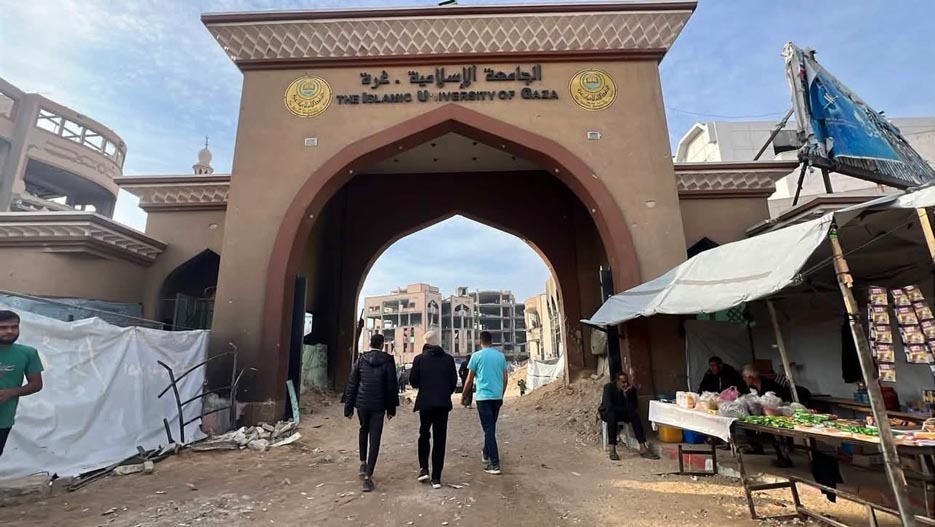
Around 70% of buildings and productive facilities including factories and workshops, were damaged or destroyed.
The economic infrastructure that once supported livelihoods has been dismantled, making any rapid recovery unlikely.
What once was unemployment has evolved into forced mass joblessness not due to a lack of skills, but a total absence of opportunity.
Experts note that these changes have reshaped Gaza’s social and economic landscape. Unemployment and poverty have coalesced into an inescapable norm. The youth, who might have powered the region’s future, instead confront daily subsistence and the profound loss of dignity and possibility.
The transformation of unemployment into systemic hardship carries profound implications.
It deepens dependency on humanitarian aid for survival.
It erodes the social fabric by removing pathways for economic participation.
It risks creating a generation disconnected from opportunity, education, and stability.
Without meaningful structural change and sustained investment in economic recovery, Gaza’s youth, its greatest asset, may be consigned to a future defined by poverty rather than potential.
- A sharp escalation in the detention of Palestinian children has been recorded since the outbreak of the genocidal war on Gaza in October 2023, with more than 1,800 minors arrested, according to a report by the Palestine Centre for Prisoners Studies.
The report highlights that some of those detained are under the age of 10, describing the Israeli arrest campaigns as part of a systematic policy targeting Palestinian childhood within a broader pattern of repression.
It notes that violations have intensified significantly during the Israeli war on Gaza, with children subjected to physical and psychological abuse, including beatings, humiliation, and in some cases deliberate deprivation of food and medical care.
One such case involved 17-year-old Walid Ahmad, who died in custody after his health deteriorated due to neglect.
Arrests are often carried out through night raids on family homes, involving property destruction and the forcible detention of children, who are then transferred to interrogation centres.
Others are detained at military checkpoints or near their homes, including while commuting to school.
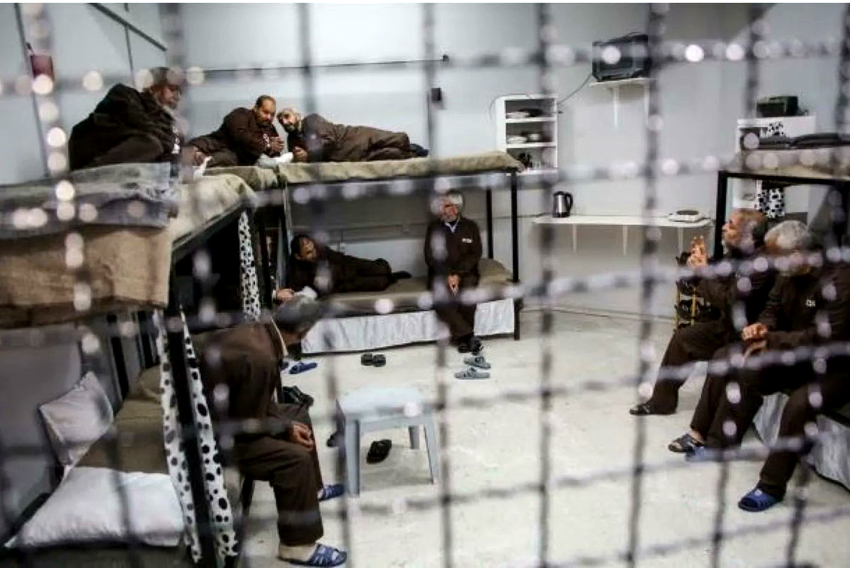
The report states that detained children are held in harsh conditions that fall far short of basic humanitarian standards, with overcrowded cells, denial of family visits, and limited medical care. Repeated raids by Israeli prison units and the use of force further compound their suffering.
Around 350 Palestinian children remain in detention, including 163 serving sentences and 90 held under administrative detention without charge. The rest are awaiting trial. Most are held in Megiddo and Ofer prisons.
In a particularly striking case, the report notes the presence of a seven-month-old infant born to a detained mother inside prison, underscoring the severity of conditions faced by detainees, including children.
The centre concluded that these practices violate international laws protecting children and may amount to war crimes, calling for urgent international action to address the situation.