
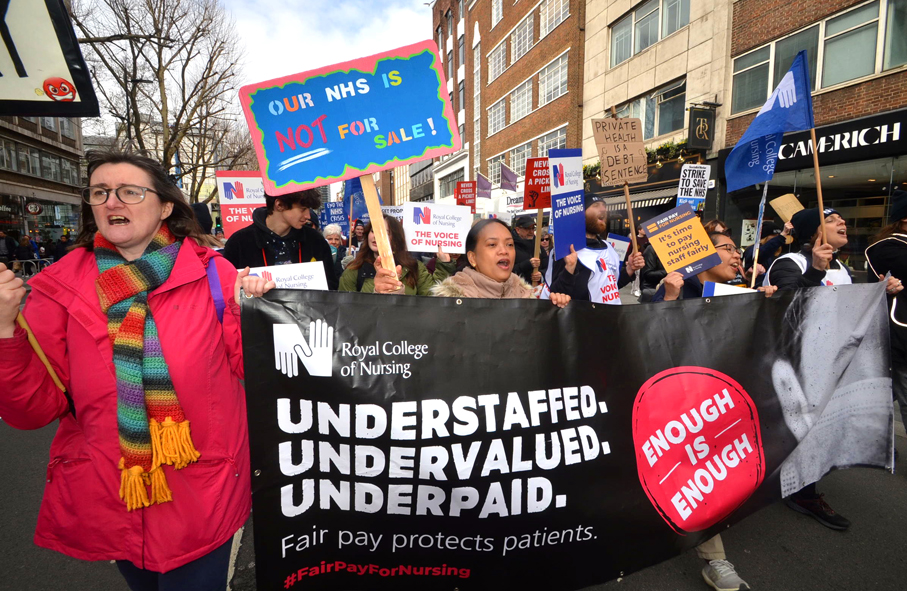
A controversial UK-US medicines deal will cost the NHS an estimated £9bn a year by 2035 in higher drug prices, critics have warned.
The agreement, confirmed via press release after 5pm on Thursday at the start of the Easter weekend, commits Britain to doubling its spending on newly developed medicines from 0.3% to 0.6% of GDP by 2035.
It also raises the threshold the NHS can pay for individual treatments from £30,000 to £35,000 a year. In return, British-made pharmaceuticals worth £5bn annually will be spared US tariffs of up to 100%.
Dr Andrew Hill, a drugs expert at the University of Liverpool, said the arithmetic was indefensible.
‘Why spend an extra £9bn a year on higher drug prices to protect drug exports to the US of only £5bn a year? The maths simply does not add up.’ The £9bn, he added, would save more lives if spent expanding existing services.
The campaign group Global Justice Now accused Keir Starmer of ‘taking an axe to the NHS to pacify Donald Trump and big pharma’s demand for higher medicines prices’.
Its policy and campaigns manager, Tim Bierley, said the government ‘has made this agreement without consulting parliament, confirmed it via press release with no full text, then snuck it out at the start of the Easter weekend’.
Liberal Democrat health spokesperson Helen Morgan said decisions over NHS spending ‘should be set by the British people, not by a foreign regime’, and demanded parliamentary scrutiny of the deal.
The full text had not been published at the time of the announcement, deepening concerns about transparency.
Those billions in additional pharmaceutical spending will be absorbed by a health service already stretched to breaking point.
A national survey of 159 NHS stroke services found community teams operating with 26% fewer physiotherapists than guidelines recommend, acute stroke teams 15% short, and community rehabilitation support workers 36% below required levels.
Ash James, director of practice and development at the Chartered Society of Physiotherapy, said: ‘Something is going seriously wrong in our health system if the NHS is failing to turn workforce growth into the posts required to meet even the minimum standards for stroke rehabilitation.’
Around 240 people a day have their lives ‘potentially destroyed’ by stroke in the UK, according to the Stroke Association’s chief executive, Juliet Bouverie, who called for ‘much greater investment in both people and processes’ to meet national care guidelines.